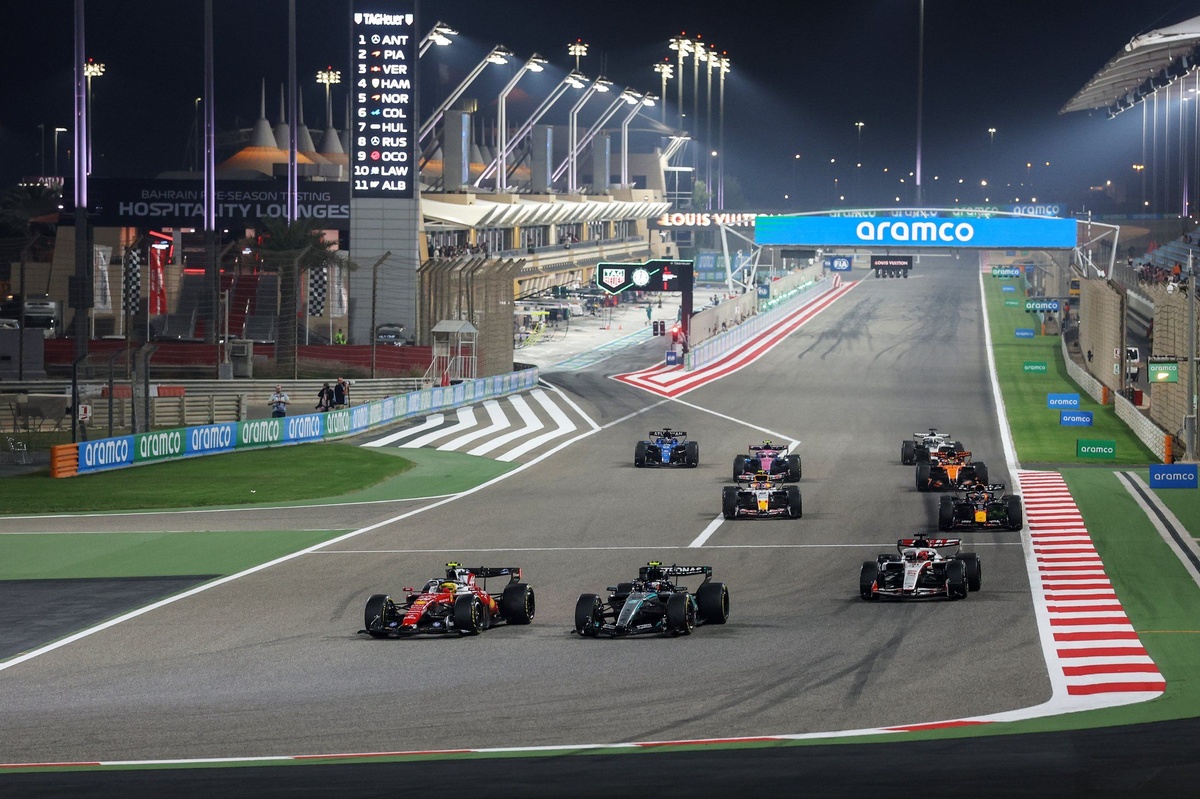
The curtain fell on the 2026 Formula 1 pre-season testing in Bahrain, providing a comprehensive glimpse into the evolving competitive landscape for the upcoming season. Teams utilized this testing period to evaluate new car configurations, aerodynamic setups, and power unit performance, all crucial for establishing their competitive positions.
Among the standout performers, several teams demonstrated significant improvements, signaling potential shifts in the traditional hierarchy. Notably, Ferrari and Mercedes showed promising pace, with Ferrari's drivers setting some of the fastest lap times, indicating their continued competitiveness. Meanwhile, Red Bull appeared to maintain their strong form, though some technical issues during testing raised questions about their consistency.
New regulations and technical updates played a pivotal role in shaping the testing outcomes. Teams that adapted quickly to the rule changes seemed to have an advantage, as evidenced by their performance metrics. The testing also revealed areas where teams need further development, such as tire management and reliability under race conditions.
As the teams head into the Melbourne Grand Prix, the insights gained from Bahrain testing will be instrumental in strategic planning. Engineers and strategists are analyzing data to optimize setups and anticipate potential race scenarios. Fans and analysts are eager to see if the trends observed during testing will translate into race-day performance.
Overall, the 2026 pre-season testing has set the stage for an exciting season ahead. With new technical regulations and emerging team strengths, the race for the championship promises to be more competitive than ever. The upcoming races will be crucial in confirming whether the early testing results will hold true in the high-pressure environment of race weekends.